Mother Nature on your doorstep
Discover the magic of Cape Point during your stay at Fin Whale Beach House
It’s a reserve within a reserve that’s inside a national park that’s part of the Cape Floral Kingdom – a UNESCO World Heritage site. All of which makes Cape Point one of the most special places to explore during your stay with us at Fin Whale Beach House.
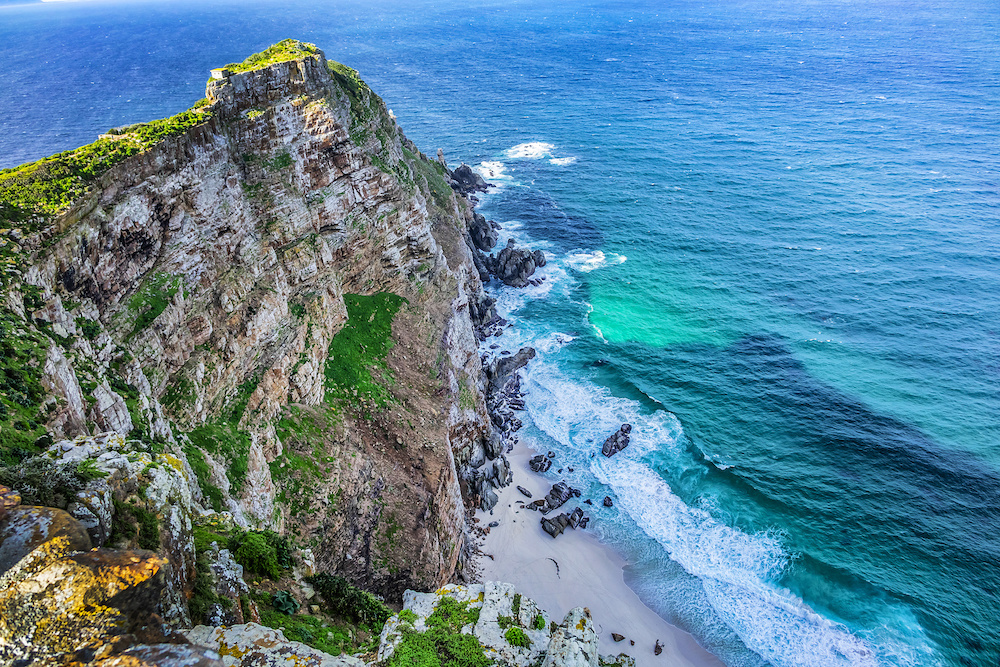
Located a short drive away on the southernmost tip of the Cape Peninsula, in the Cape of Good Hope Nature Reserve, itself part of Table Mountain National Park, Cape Point offers spectacular scenery, breathtaking views, secluded beaches and lots of wonderful things to see and do, from hiking wonderful nature trails to riding the only commercial funicular in Africa.
This is the “Cape of Storms” of Bartolomeu Dias’s day, treated with respect by sailors over the centuries for its dramatic and infinitely treacherous coastline that has claimed 26 ships and countless lives. Some of these wrecks can still be seen today around Bellows Rock and Albatross Rock – the most notorious spots along Cape Point. They also form the basis of several hiking routes through the reserve.
Portuguese explorer Dias was the first to round the Cape Peninsula in 1488. He named it the “Cape of Storms” after the fickle weather that can develop quickly into storms with little warning. Dias’s countryman, Vasco da Gama, navigated the same route some 10 years later, opening a new trading route for Europe with India and the Far East. Portuguese king John II renamed it the “Cape of Good Hope” because of the great optimism this new sea route to India and the East brought with it.
During the day Cape Point was a navigational landmark, but at night these were the most dangerous waters to sail, especially when covered in fog. In 1859 the first lighthouse was constructed on the highest section of Cape Point, 238m above sea level, but it was soon discovered that frequent mist rendered it ineffective, so in 1914 a second lighthouse was built lower down, at 87m above sea level. It’s the most powerful lighthouse in South Africa.
Getting to the old lighthouse requires the The Flying Dutchman – a funicular (cable-based railway system) named after the legendary ghost ship that offers an exhilarating three-minute ride to some of the best views in Africa! The line runs from a lower station at the Cape Point car park, up through dense fynbos to the lighthouse above.
With its beautiful beaches, incredible viewpoints and fascinating fauna and flora, Cape Point is a fabulous place to explore. There are wonderful swimming spots, picnic sites and hiking trails at the Bordjiesrif and Buffels Bay tidal pools.
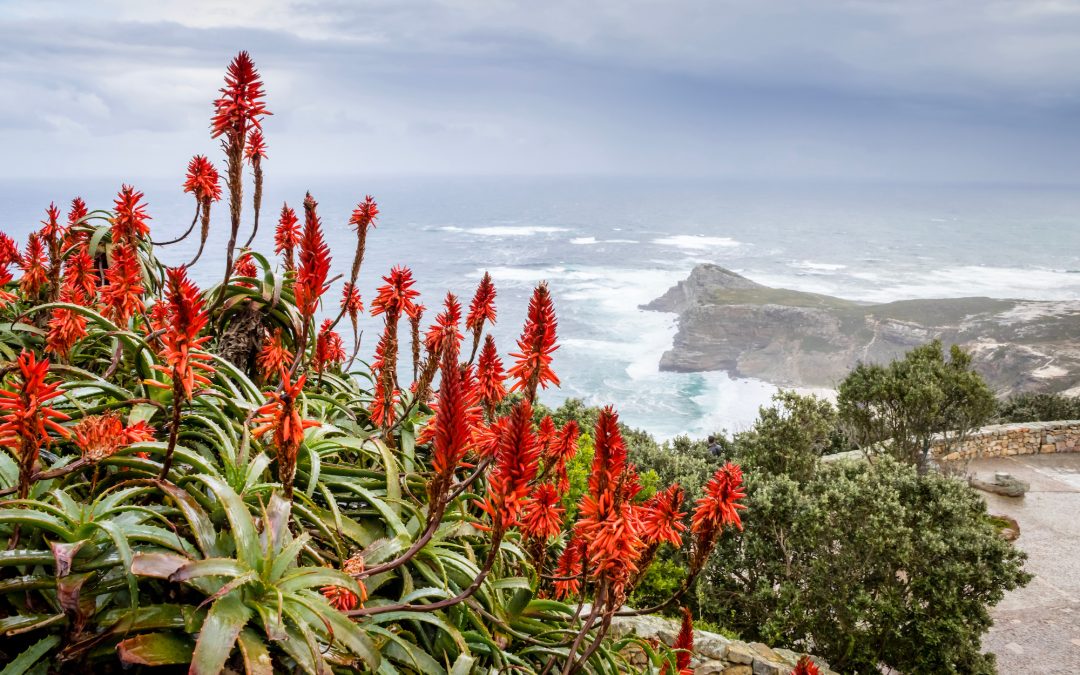
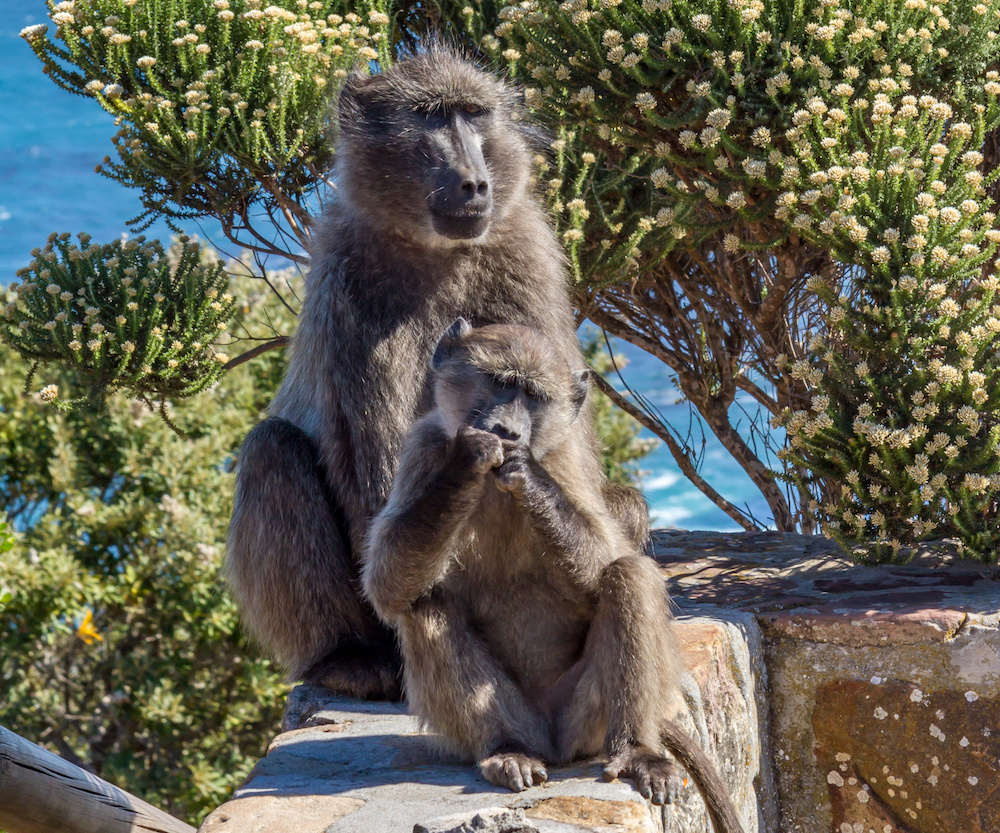
Walking through the reserve allows you to discover more than 1,100 indigenous plant species that grow nowhere else in the world, there are also more than 250 bird species recorded in the reserve, some of which are endemic. Cape mountain zebra, eland and blesbok can be seen roaming the reserve, which is also home to five troops of chacma baboons – the last remaining free-roaming baboons on the Cape Peninsula.
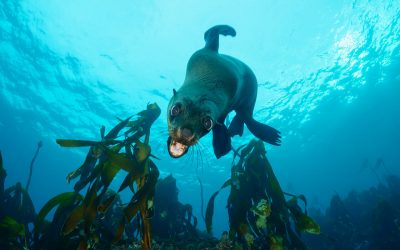
The ocean around Cape Point is also full of life and you can spot southern right whales from June to November each year as they move into the waters along the South African The more adventurous can take part in a range of exciting outdoor activities, such as kayaking and mountain biking, and there are stunning dive sites on both sides of Cape Point.