Kick back, relax and enjoy!
How to get the best out of your stay at Fin Whale Beach House
A holiday at Fin Whale Beach House is the perfect way to escape the hustle and bustle of the city and tune-in to the wonderful rhythm of the ocean.

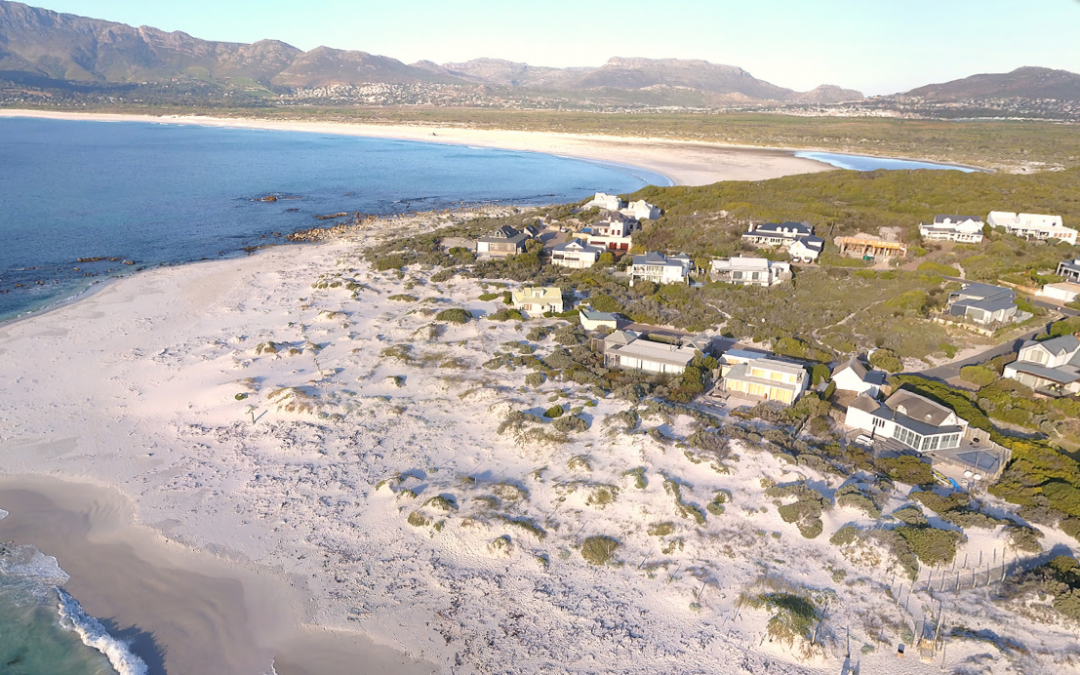
Sun, sea and sand… It’s the perfect combination for a wonderful holiday at the coast and when it comes to Fin Whale Beach House, that coast is just PERFECT! This is beach living at its best.
With its four en-suite bedrooms, marvelous lounge and dining areas and stylish kitchen, Fin Whale really is beachfront living at its finest and offers the perfect base for groups of friends or family to explore this charming piece of South Africa’s Western Cape.
The decor is understated and the ample space makes rainy days perfect for entertaining in style or kicking back, relaxing and soaking up the atmosphere of this lovely little beachside home-from-home.
Besides being literally on the wonderful Long Beach in the village of Kommetjie, some 30 minutes from the bustling centre of Cape Town, Fin Whale Beach House is perfectly positioned to allow easy access to some of the Western Cape’s best loved tourism attractions and a range of fabulous local restaurants and coffee shops.
The entire Cape Peninsula is on your doorstep, from Chapman’s Peak and Cape Point to Camps Bay and Clifton. This is one of the most scenic drives in South Africa and takes you to Cape Town in style, with breathtaking, jaw-dropping and picture-perfect vistas along the way.
In Cape Town itself you have the Victoria and Alfred Waterfront, with its range of shops and restaurants. It’s here that you can take a boat trip to the world-famous Robben Island and experience the dark history of South Africa’s more recent past, where Nelson Mandela and other leaders of the ANC were imprisoned for so many years.
And of course, there’s Table Mountain, which is easily accessible via its legendary cableway.
A short drive brings you back to Fin Whale Beach House, where you can indulge in a roaring log fire (in winter and on chilly, rainy days) and sample some of the Cape’s finest vintages…
There’s lots of history on Long Beach as well, with one of the most intriguing shipwrecks in the history of this stretch of South Africa’s coast just a short walk away…
The remains of the SS Kakapo, a 665-ton schooner steamship, lay on Noordhoek beach, which is adjacent to Kommetjie’s beautiful Long Beach. The ship ran aground on the beach on its way from the UK to Australia with a full load of coal during a heavy storm in May 1900.
Legend has it that the captain saw Chapman’s Peak through a storm and thought it to be Cape Point, giving the order to turn hard to port while steaming ahead at full speed. An onshore gale and mountainous seas combined with the steamer’s speed to drive it up onto the beach. No lives were lost and the entire crew managed to hop off the steamer onto the sand.
Subsequent efforts to move the Kakapo were in vain and what’s left of the ship can be seen on the beach as a reminder of the capricious nature of the seas off Fin Whale Beach House.
The Clan Monroe, loaded with cyanide and dynamite, also landed on the rocks near the site of the present lighthouse on 2 July 1905. A sister ship, the SS Clan Stuart ran aground between Fish Hoek and Simonstown 10 years later.
The Maori and the Umhlali were both wrecked in 1909 at Duiker Point and Olifantsbos respectively (north and south of Kommetjie). It was decided to build lighthouses at both Cape Point and Kommetjie soon after these events, and although they were both built in 1914, the First World War delayed their opening.
Kommetjie celebrated its centenary in 2003, but in reality 1903 only marked the first house being built here. For many years the area attracted families from Wynberg, Noordhoek and Fish Hoek who came to camp among the milkwood trees for several weeks at a time over the Christmas season. Most of the first houses were holiday homes.
The 1960s saw more development take place as Kommetjie went on line, receiving mains electricity and water. Today it remains one of the most popular places for local Capetonians to spend their holidays and attracts an increasing number of international guests.